


How to Ensure Pipes Remain in a Stable Position after Installation
When you want pipes and cables to stay firmly in place for many years, the small fastener you pick matters a lot. Qinjia has focused only on building fasteners for more than ten years from its factory in Hebei, China. With steady raw material sources and strict checks at every step, the company ships trustworthy products to customers in North America, the Middle East, Australia, Southeast Asia, Turkey, and South America. No matter if you need ready-made items or fully custom designs through their friendly ODM/OEM service, they always deliver parts that pass tough global rules.
Why Do Pipes Shift After Installation?
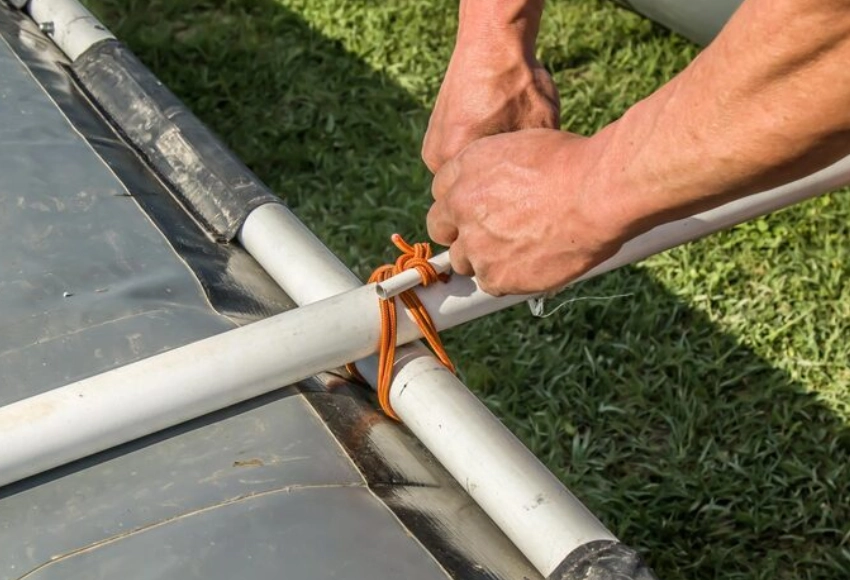
Pipes that move after the job is done waste both time and money. Daily vibrations from water rushing inside, hot and cold changes, slow building settling, or even tiny earthquakes slowly push pipes away from their original spots if the fixing method is weak.
Common Causes of Pipe Instability
Water hammer hits hard every time a tap closes fast. Temperature swings of 40-50 °C make metal and plastic grow and shrink. Walls themselves shift a little over months and years. Cheap clips or short nails simply cannot fight against all these forces for long.
Impact on Project Longevity and Safety
Once pipes start to wiggle, leaks appear quickly. Insulation gets torn. Strange noises travel through the building. Inspectors mark the job as failed. In the worst cases, heavy pipes drop and hurt people or cause big repair bills.
The Role of Inadequate Fasteners
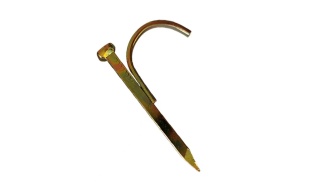
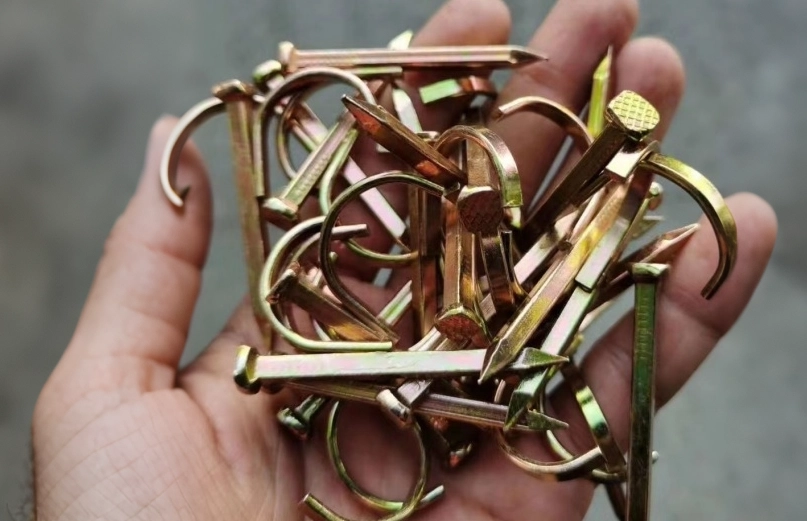
Many low-cost clips bend easily or pull straight out of the wall when weight or movement grows. A well-made pipe hook nail solves the trouble from the start. Its tough steel body bites deep into concrete or timber, and the strong plastic hook wraps gently yet firmly around the pipe so nothing twists or falls.
Selecting the Right Fasteners for Pipe Stability
Picking the correct piece stops almost every movement problem before it begins.
Material Compatibility and Durability Factors
Only high-carbon steel that has been heated and cooled the right way reaches 48-52 HRC hardness in the centre. This level keeps the nail straight and unbreakable even after years of tiny pulls and pushes. The plastic part uses special UV-protected polypropylene. That material stays soft and strong outdoors without turning brittle or cracking in sunlight.
Size and Load-Bearing Specifications
Match the hook opening to your pipe size. Models cover everything from 20 mm up to 32 mm, perfect for normal water lines, electrical conduit, and small heating pipes. Nail lengths run from 50 mm to 65 mm so they reach far enough into concrete, brick, or wooden studs. When you hammer them properly, each hook easily carries 15 kg or more without moving.
Surface Treatments for Environmental Resistance
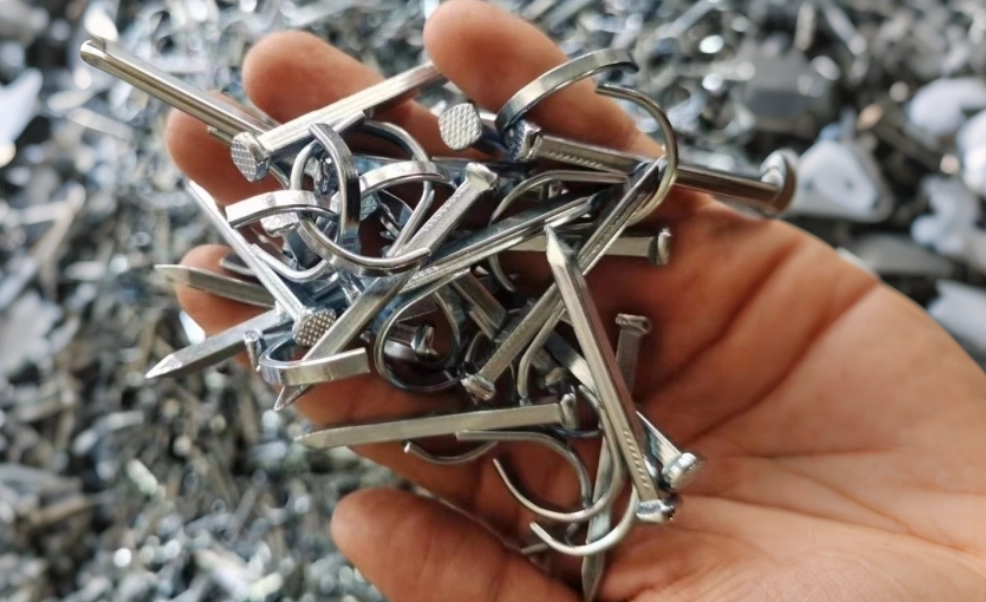
Bright electro-galvanized coating or warm yellow zinc layers stop rust even in wet bathrooms and kitchens. For projects near the sea or on rooftops, pick hooks with extra UV-stable colours such as white, black, or grey. Those colours never fade, and the plastic never becomes weak powder under strong sun.
Proper Techniques for Installing Pipe Hook Nails
Good tools and careful steps matter just as much as good materials.
Preparation of Installation Surfaces
First, brush away all dust and loose bits from the wall. Next, use a tape measure and pencil to mark spots every 600-800 mm for water pipes or every 1000 mm for light cables. Even spacing spreads the weight and keeps everything neat and straight.
Step-by-Step Driving and Securing Methods
Slide the pipe into the open hook first. Hold everything steady against the wall. Then hit the steel nail firmly and straight with a normal hammer or light air tool. Stop the moment the plastic touches the wall flat. Too many extra hits can loosen the grip instead of making it tighter.
Testing and Adjustment Protocols
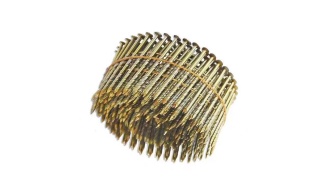
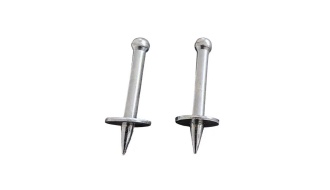
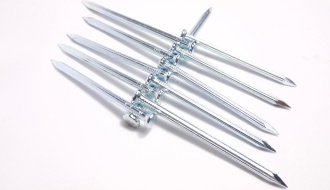
When the whole line is finished, walk along and give each pipe a soft tug. Nothing should move more than 1-2 mm. At corners or where heavy fittings join, add a few concrete nails or ST nails for backup strength so the entire run stays perfectly still.
Maintenance Strategies to Sustain Pipe Positions
A few simple checks every year keep pipes safe for decades.
Routine Inspection Schedules
In busy offices or shops, look at every hook once every six months. In quiet homes, once a year is enough. Check for tiny rust spots on the steel, thin cracks in the plastic, or any sign the pipe has started to sag even a little.
Addressing Wear and Environmental Factors
If you spot rust or brittle plastic, change that hook right away. In salty coastal air, start with thicker zinc coating or ask for stainless versions from the factory. Starting with the right grade saves trouble later.
Integration with Broader Fastening Systems
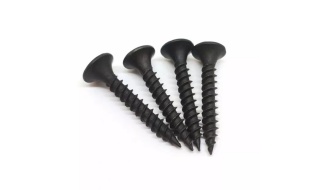
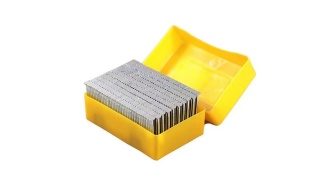
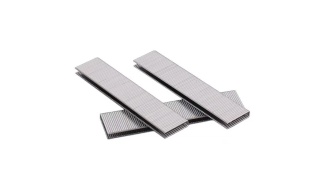
When many cables run together, mix pipe hook nails with narrow staples to keep bundles tidy. In drywall rooms, first fix the boards tight with drywall screws. After that, mount the pipes. The whole wall then works as one solid unit that never shakes.
What Makes Qinjia the Ideal Partner for Stable Pipe Fastening Solutions?
Proven Quality Control and Compliance Standards
Every single box leaves the factory only after workers test raw steel, measure hardness, run salt-spray machines, and pull random pieces from the final packs. Big names like SGS or BV can test again any time you ask, and full reports come with the shipment.
Customization and Global Support Advantages
Need a rare size, special colour, or your own logo printed on the box? The factory changes molds and lines in just days. Visit their case center and you will see finished jobs in hot deserts, cold cities, and wet islands, all still perfect after years.
Seamless Ordering and After-Sales Excellence
Everything stays simple: send a message, get a clear price fast, pay a small deposit, see pictures before the container loads, then pay the rest. Samples fly to your door in less than a week so you can try before you buy big.
Their famous pipe hook nail gives contractors exactly what they want most: a tough steel point that goes in easy, a gentle yet firm plastic grip that never lets go, and steady quality that keeps every pipe exactly where it belongs for many years.
FAQ
Q1: Can pipe hook nails be used outdoors?
A: Yes, simply choose the UV-resistant plastic and galvanized steel versions and they work great outside for many years.
Q2: What is the biggest pipe these hooks can hold?
A: Standard hooks fit pipes from 20 mm to 32 mm perfectly. Bigger custom sizes are ready when you need them.
Q3: Will the plastic part scratch or squeeze the pipe?
A: No, the inside curve is smooth and soft so PVC, PPR, copper, or steel pipes stay unmarked.
Q4: How far apart should you place the hooks?
A: Put one hook every 600-800 mm for water pipes and every 800-1000 mm for light cables or empty conduit.

 Consult
 Whatsapp
 Leave Message
 top
top