


What Designs Make Drywall Screws Excel in Interior Decorating
Drywall screws turn simple gypsum boards into clean, solid walls and ceilings that stay perfect for many years. Regular screws usually rip the paper cover, crack the soft core, or leave bumps that show through paint. Real drywall screws fix all these issues with smart, careful design. As a buyer for large projects, you need screws that save time on site, cut waste, and keep customers happy. That is exactly what good drywall screws deliver every day.

Among factories that truly master these details, Qinjia has won steady orders from North America, Australia, the Middle East, and Southeast Asia. They control every step inside their own plant, offer full OEM/ODM service, and supply test reports that pass SGS and BV without trouble.
Why Do Ordinary Screws Fail When Installing Gypsum Boards?
Most buyers have tried using leftover wood screws at least once. The result is always the same: damage shows up fast and costs extra hours to repair.
Excessive Cracking and Paper Tear
Flat heads push hard and tear the paper right away. Once the paper rips, cracks spread quickly across the whole sheet.
Poor Holding Power in Soft Gypsum Core
Normal threads are too short and shallow. Boards start to sag or make noise only months later.
Visible Heads That Ruin Smooth Finishing
Heads that stick up create little hills. No amount of joint compound can hide them fully under paint.
Bugle Head Design
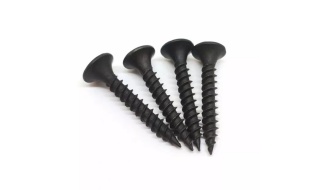
The bugle head fixes the surface problem in one simple way. Its wide, gentle shape works like a trumpet, so the head slides down smoothly as you turn the driver.
Perfect Countersinking Without Damaging Paper Surface
This soft curve presses the paper in instead of cutting it, so the surface stays whole and clean.
Even Pressure Distribution Across the Board
Because the force spreads out, edges almost never crumble or break away.
Seamless Putty Filling for Invisible Fastening
The tiny dimple left behind fills fast with compound. After a light sand, the wall looks completely smooth.
Sharp Point and Optimized Thread Patterns
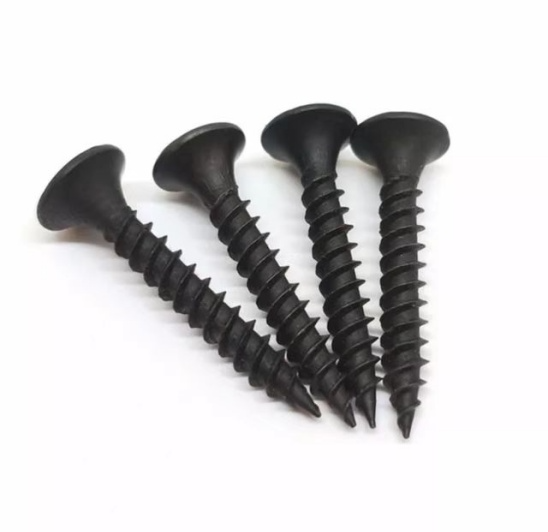
Drywall screws features quick on-site installation and strong grip both start at the tip and continue along the threads.
Self-Starting Point That Requires No Pre-Drilling
A sharp point bites into gypsum and thin metal studs at once. Your crew saves hours every day because no pilot holes are needed.
Coarse Thread for Wood Studs vs Fine Thread for Light-Gauge Steel
Coarse threads grab deep into wood and give the best pull-out strength. Fine threads cut clean lines through 0.5-1.2 mm steel without stripping the hole.
Hi-Lo Thread Option for Faster Driving and Stronger Grip
High and low threads sit side by side. This mix lowers the torque needed by up to 30 %, yet the screw still holds tight for decades.
High-Quality Steel and Corrosion-Resistant Coating
The metal itself decides how long the screw stays strong inside the wall, even when moisture is present.
1022A Carbon Steel with Precise Heat Treatment
This steel grade stays hard enough to drive easily, yet flexible enough to avoid snapping under heavy torque.
Black Phosphating for Lubrication and Moderate Rust Protection
The dark phosphate layer makes screws slide in smoother and fights light rust in normal rooms.
Zinc Plating Options for Damp Environments
In bathrooms, kitchens, or coastal buildings, the zinc layer adds extra years of safe service without any color change.
Drive Type and Length Selection
Small details about the drive and length affect your daily work more than most people expect.
The Industry Standard for Slip-Free Driving
Every professional driver bit fits perfectly, so cam-out almost never happens.
Higher Torque and Reduced Cam-Out
When crews work overhead or push hard, Torx gives more power and keeps heads clean all day.
Length Range from 25 mm to 75 mm Matching All Common Stud Spacing
Short 25-32 mm screws work great for single-layer walls. Medium 41-50 mm lengths suit double-layer fire-rated boards. Longer 65-75 mm sizes reach through resilient channels or deep ceiling hats easily.
How Does Qinjia Stand Out in the Drywall Screw Market?
Many factories only assemble parts bought from others. Very few truly control every step, from raw wire to the finished box. That complete control changes everything for serious buyers.
Direct Factory Supply with Full In-House Production Chain
Because nothing passes through trading companies, you get lower prices and much shorter lead times than most suppliers offer.
OEM/ODM Capability – Custom Thread, Head, and Coating Available
If your project needs a special twin-fast thread, longer bugle head, unique point angle, or exact color match, new samples are ready in about one week.
Complete Certification and Third-Party Testing Support
Every container can ship with full material certificates, detailed test reports, and packing lists that clear customs fast in any country.
Stable Stock and Mixed-Container Service
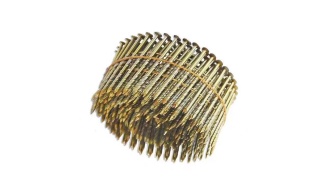
Popular sizes stay in stock all year. You can mix drywall screws, chipboard screws, concrete nails, and other items in one container to save freight costs and simplify ordering.
All-scenario Application Matching
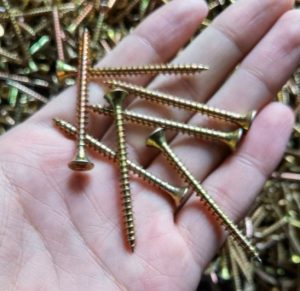
Many of the same buyers also order chipboard screws from the same plant when they build cabinets or furniture that will later sit against drywall.
FAQ
Q1: Can drywall screws replace wood screws in all situations?
A: No, they work best only for fixing gypsum boards. For heavy wood joints, keep using proper wood or chipboard screws.
Q2: Do black phosphate drywall screws rust in bathrooms?
A: In normal dry rooms they last many years. For wet areas, pick the zinc-plated type instead.
Q3: What length should you choose for a double-layer fire-rated wall?
A: The screw must go at least 10 mm into the stud after passing both boards. Most buyers choose 50-65 mm for perfect results.
Q4: Will fine-thread screws work on wood studs?
A: Yes, they hold, but coarse threads give 30-40 % more holding power in wood.
Q5: How many screws do you need per 4×8 sheet?
A: On walls, place them 300 mm apart on edges and 400 mm in the field. For ceilings, use 200-300 mm spacing to keep everything safe.

 Consult
 Whatsapp
 Leave Message
 top
top