

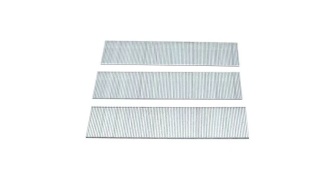

Brad Nails vs Finish Nails Which One Should You Really Use
When you tackle a woodworking project, fasteners like brad nails and finish nails often come into play. Brad nails, with their slim 18-gauge profile, slip into place without leaving noticeable marks. Finish nails, thicker at 15 or 16 gauge, grip harder for tougher jobs. You need to know their differences to pick the right one and avoid rework. This guide breaks it down, from specs to real-world fits. For reliable options, turn to Qinjia, a powerhouse in Hebei, China. With over 25 years honing fasteners for global markets, they craft everything from brad nails to concrete anchors. Their setup ensures tight quality checks, like tensile tests hitting over 800N/mm² and salt spray trials for rust-proof builds. You get exports to spots like North America and Australia, backed by ODM/OEM tweaks for your specs. Their gear stands out in efficiency and durability, perfect for your next order.
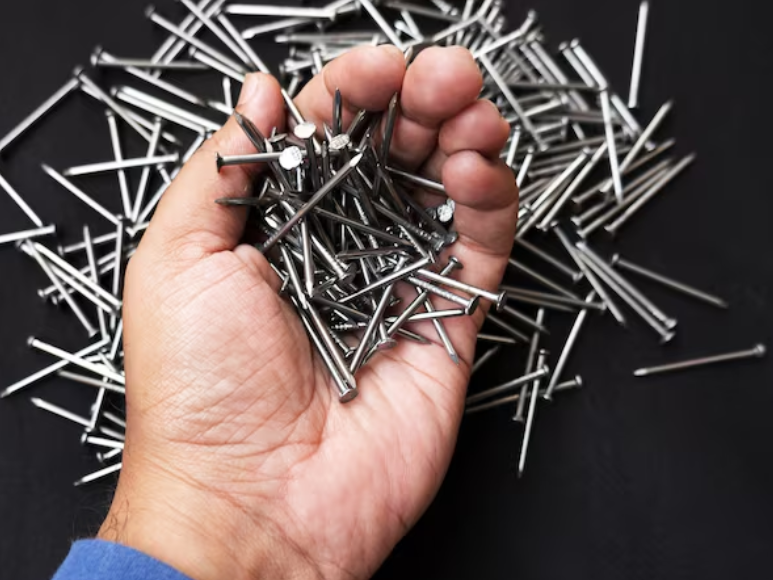
What Are Brad Nails and How Do They Differ from Finish Nails?
You start with basics to build smart choices. Brad nails and finish nails both secure wood, but their builds lead to different roles. Brad nails shine in subtle work. Finish nails handle more force.
Core Specifications and Gauge Differences
Brad nails run at 18 gauge, about 1.0 to 1.2mm thick. They measure slim for clean entry. Lengths span 10mm to 50mm in options like Q235 steel. Finish nails hit 15 or 16 gauge, around 1.4 to 1.6mm. That extra bulk boosts hold but shows more trace.
Head Design and Shank Thickness Variations
Brad nails carry tiny heads, almost gone from view. Shanks stay thin to dodge splits in soft wood. Finish nails sport broader heads and thicker shanks. They sink deeper for stability yet demand filler in spots.
Holding Power and Material Options Comparison
Brad nails offer light grip for non-load tasks. They use low-carbon steel with electro-galvanized coats in blue or yellow. Finish nails clamp tighter across materials. Their mid-carbon builds suit shear loads, though they lack the stealth of brad variants.
When Should You Choose Brad Nails Over Finish Nails?
Pick based on your project’s demands. Brad nails lead when looks trump raw power. You save time on touch-ups. Finish nails fit where strength rules.
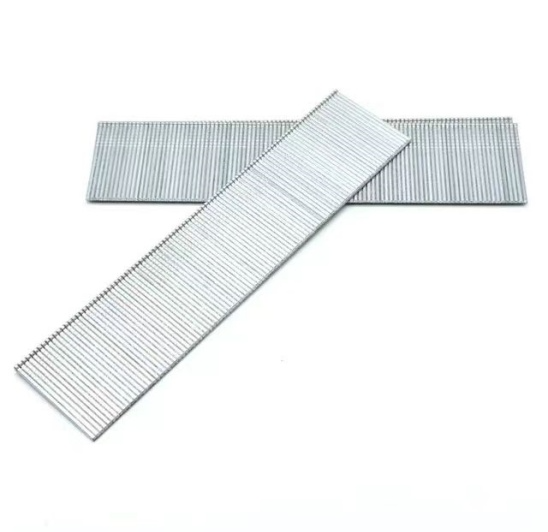
Precision Trim and Molding Projects
Brad nails lock in baseboards and crown moldings. Their chisel points pierce without cracks. Use 18-gauge lengths like 25mm for indoor edges. They leave no scars after a quick fill.
Lightweight Cabinetry and Furniture Assembly
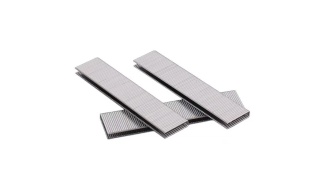
You join thin panels and frames with brad nails. They hold picture frames steady sans splits. Opt for glue-collated strips at 0 degrees. These feed smooth in nailers for batch runs.
Quick DIY and Decorative Woodworking Tasks
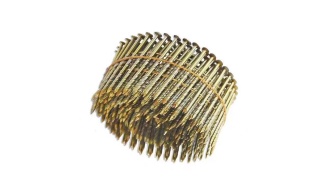
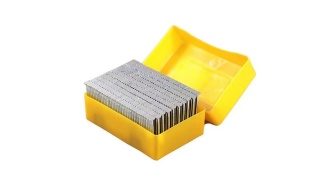
Brad nails speed decor fixes like door casings. Their >800N/mm² tensile strength secures light loads. Pack in 5000-piece boxes for handy stock. They cut costs on small jobs.
What Are the Top Applications for Finish Nails in Professional Settings?
Finish nails step up for beefier builds. You rely on them when pull-out risks loom. Brad nails pair well as backups for edges.
Heavy-Duty Door Frames and Jamb Installations
Finish nails anchor thick jambs to studs. Their 16-gauge shanks resist twists in real wood. Drive them into hard maple for long hauls.
Stair Treads and Structural Baseboard Reinforcements
You fasten treads where steps take daily beats. Finish nails’ heads countersink flat under traffic. They outgrip brads in oak risers.
Outdoor and Load-Bearing Trim Elements
Finish nails bind exposed rails against weather. Coated versions fend off damp. Use them on porch posts for season-proof ties.
How Do Brad Nails and Finish Nails Compare in Holding Strength?
Strength tests reveal trade-offs. You weigh pull versus shear for your base. Coatings tip the scale in wet zones.
Pull-Out Resistance in Softwoods
Brad nails cling well in pine at 1-inch depths. Their slim form cuts fiber tears. Finish nails pull harder in the same grain, thanks to girth.
Shear Force Performance Across Materials
Finish nails lead in hardwoods like oak. Thicker shanks share loads even. Brad nails suffice for light shear in plywood stacks.
Long-Term Durability in Humid Environments
SS304 brad nails endure salt spray better than plain finish types. Galvanized finishes on both fight rust. Yet brads’ thin coat spreads protection thin.
What Tools Are Best Paired with Brad Nails Versus Finish Nails?
Tools match the nail’s vibe. You sync PSI and magazines for jam-free days. Clean kits often to keep flow.
Compatible Nailers and Compressor Requirements
Pair brad nails with 18-gauge nailers at 70 to 100 PSI. They hum in Bostitch models. Finish nails need 15-gauge units with higher kick.
Airflow and Magazine Capacity Considerations
Brad setups reload fast in straight strips. Boxes of 2500 hold steady feeds. Finish tools guzzle more air for thick drives.
Maintenance Tips for Extended Tool Life
Wipe glue residue from brad magazines weekly. Torque checks prevent slips. Both benefit from dry air lines.
One-sentence Summary
Want virtually invisible, flawless finish → Choose Brad Nails (18-gauge)
Need stronger holding power with still-good looks → Choose Finish Nails (16-gauge or 15-gauge)
| Item | Brad Nails | Finish Nails |
| Common Gauge | 18-Gauge (diameter approx. 1.0–1.2mm) | 15-Gauge or 16-Gauge (diameter approx. 1.4–1.6mm) |
| Head Size | Extremely small, almost invisible | Slightly larger than brad nails, but still small |
| Shank Thickness | Thinner | Thicker |
| Holding Power | Weaker | Stronger |
| Hole/Mark Left Behind | Super tiny, almost invisible after filling | Slightly larger, but still easy to fill |
| Best Applications | Finish carpentry, trim, molding, baseboards, casings, thin panels, picture frames, light assembly → Where “invisible fastening” is the top priority | Thicker solid wood trim, door jambs, stair treads, heavy baseboards that need more strength → Where both appearance and higher structural strength matter |
| Can Be Used Structurally? | Not recommended (easy to pull out) | Yes, can withstand greater pulling and shear forces |
| Compatible Nailer | 18-Gauge Brad Nailer | 15-Gauge or 16-Gauge Finish Nailer |
How Can Brad Nails Elevate Your Fastener Sourcing?
Sourcing right boosts your edge. You gain from proven lines like 18-gauge F series. They fit diverse climates.
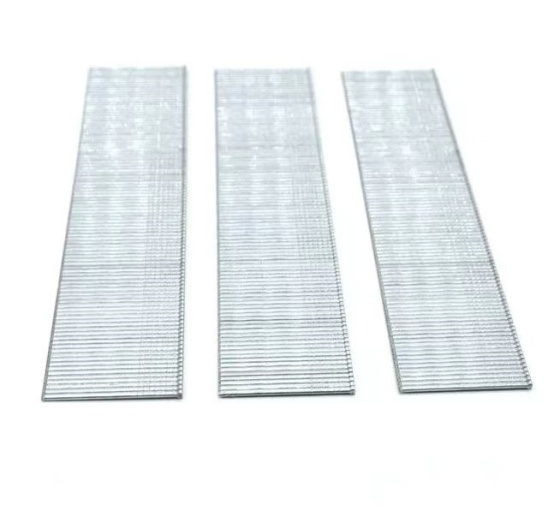
Premium Specifications Tailored for International Buyers
Chisel points drive true in 10mm shorts. Electro-galvanized holds in tropics. Versatile for North American trim runs.
Proven Case Studies from Global Installations
U.S. cabinets stand firm with 25mm brads. Asian frames show no warp after years. Production hits on-spec every time.
Seamless Ordering and Support Process
Quote via phone for next-day mocks. QC teams flag issues early. Logistics sync with your forwarders.
FAQ
Q1: Are Brad Nails Suitable for Load-Bearing?
A: No. They serve finishing and decorative roles best.
Q2: What Is the Difference Between Brad Nails and ST Nails?
A: Brad Nails stay thin for trim. ST Nails bulk up for structural ties to concrete.
Q3: Do Brad Nails Work on Hardwoods?
A: Yes. Their slim shank avoids splits in oak or maple.
Q4: How Do You Pick Length for Brad Nails?
A: Match to material thickness. Use 25mm for 1-inch panels.

 Consult
 Whatsapp
 Leave Message
 top
top